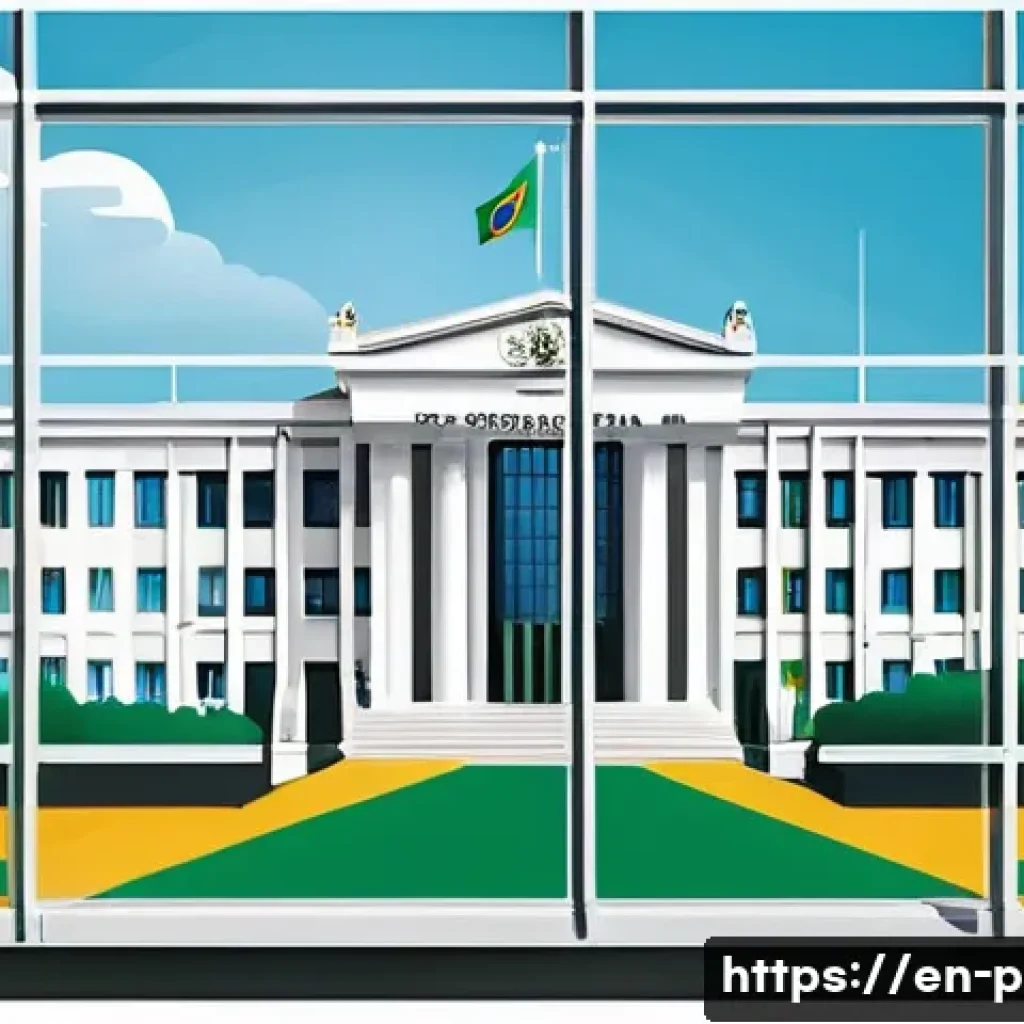
Understanding political and economic terminology in Portuguese opens a fascinating window into Brazil’s dynamic landscape and Portugal’s rich history.
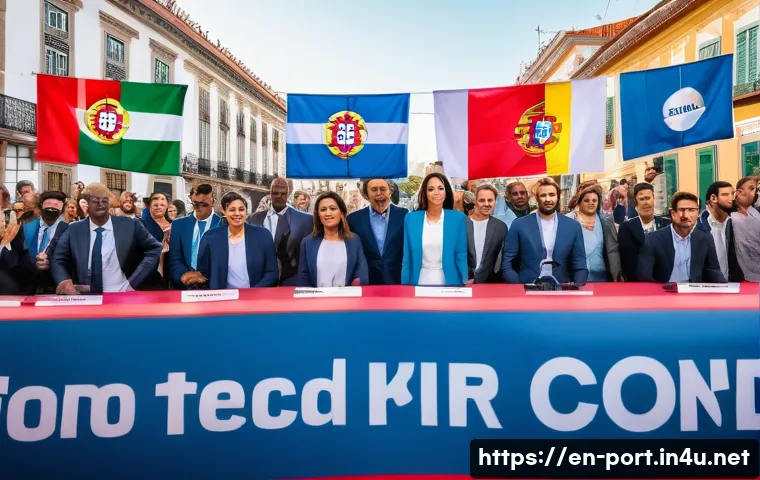
These terms are not just vocabulary—they reflect the values, challenges, and aspirations of Portuguese-speaking societies. Whether you’re navigating international business, following global news, or simply curious about cultural nuances, grasping these concepts can enhance your perspective significantly.
From key government structures to economic policies shaping markets, knowing the language of politics and economy empowers you to engage more deeply. Let’s dive into the essential Portuguese terms that will broaden your insight and confidence.
I’ll guide you through the details step by step!
Foundations of Government Structure
Federalism and Its Role in Governance
Understanding the concept of federalism is crucial when exploring Portuguese-speaking countries like Brazil and Portugal. Federalism refers to the division of power between national and regional governments.
In Brazil, this means the Union, states, and municipalities each have their own authority and responsibilities, allowing for tailored policies that reflect local needs.
Portugal, on the other hand, is a unitary state with administrative regions but less autonomous power. This distinction shapes how laws are created and implemented, influencing everything from education to public safety.
Knowing how federalism works helps you grasp why certain political decisions vary widely across regions within the same country.
Legislative Bodies and Their Functions
The legislative branch is often called the heart of democracy. Brazil has a bicameral National Congress consisting of the Chamber of Deputies and the Federal Senate.
Deputies represent the people proportionally, while senators represent states equally. Portugal’s Assembly of the Republic is a unicameral parliament where deputies debate and pass laws.
Understanding the names and roles of these bodies will help you follow political news more closely, especially when hearing about bills, votes, or political debates.
These institutions are where policies affecting the economy, social programs, and foreign relations are born and refined.
Executive Leadership and Political Roles
The executive branch in these countries is led by presidents who serve as both head of state and government, but their powers differ. Brazil’s president is a powerful figure with authority over the federal administration, armed forces, and foreign policy.
In Portugal, the president’s role is more ceremonial, with the prime minister handling day-to-day governance. Recognizing these differences is essential for understanding political headlines and the balance of power.
It also explains how presidents and prime ministers interact with legislatures and courts to shape national policies.
Key Economic Concepts in Portuguese-Speaking Nations
Understanding Inflation and Monetary Policy
Inflation, or “inflação,” is a term frequently mentioned in economic discussions. It refers to the rise in prices over time, affecting purchasing power and living costs.
Central banks in both Brazil and Portugal manage inflation by adjusting interest rates and controlling money supply. Brazil’s Central Bank often uses aggressive monetary policy to tame inflation, especially given the country’s history of economic volatility.
Portugal, part of the Eurozone, follows the European Central Bank’s policies. For anyone involved in business or investing, knowing how inflation is managed provides insight into market stability and future economic trends.
Fiscal Policy and Government Spending
Fiscal policy involves government decisions on taxation and spending to influence the economy. In Brazil, fiscal responsibility laws aim to keep public debt under control while funding essential services like health and education.
Portugal faces different challenges, including balancing austerity measures with growth initiatives due to EU regulations. These policies directly impact employment, infrastructure, and social welfare programs.
Understanding fiscal policy helps you interpret government budgets, debt reports, and public investment plans that affect everyday life and business environments.
Trade and Economic Integration
Trade terms like “exportação” and “importação” are central to economies that rely on global markets. Brazil, rich in natural resources and agricultural products, is a major exporter to countries worldwide.
Portugal’s economy benefits from its strategic location and membership in the European Union, facilitating trade within Europe and beyond. Economic integration through trade agreements and blocs shapes market access, tariffs, and regulatory standards.
Recognizing these terms allows you to follow how economic partnerships influence job creation, currency stability, and consumer prices.
Political Parties and Electoral Processes
Major Political Parties and Ideologies
Political parties in Brazil and Portugal reflect a spectrum of ideologies, from conservative to progressive. Brazil’s parties often align with specific social groups or economic interests, influencing policy debates on topics like land reform and social welfare.
Portugal’s parties, while fewer, also represent diverse viewpoints, with some focusing on labor rights and others on economic liberalism. Knowing the main parties and their platforms provides context to election results and government coalitions, helping you understand the shifting political landscape.
Election Systems and Voting Practices
Both countries use proportional representation systems but with differences. Brazil’s elections for federal deputies and senators use a mixed system that combines direct votes and proportional distribution.
Portugal’s system is fully proportional, encouraging a multiparty environment and coalition governments. Voting practices, including compulsory voting in Brazil and voluntary voting in Portugal, affect turnout and political engagement.
Familiarity with these systems clarifies why certain candidates win and how citizens influence governance.
The Role of Political Campaigns and Media
Political campaigns in Portuguese-speaking countries are vibrant and often intense. Social media has transformed how candidates reach voters, with targeted messaging and real-time engagement.
Traditional media, including television and radio, remain influential, especially in rural areas. Campaign finance laws and regulations shape the competitiveness and transparency of elections.
Understanding the interplay between media and politics helps you analyze election outcomes and the broader democratic process.
Social Policies and Public Administration
Healthcare and Education Systems
Public services like healthcare (“saúde pública”) and education (“educação”) are central to political discourse. Brazil’s Sistema Único de Saúde (SUS) is a universal healthcare system providing free services to citizens, but it faces challenges like funding and regional disparities.
Portugal offers a national health service with similar goals, benefiting from EU support for modernization. Education policies focus on access and quality, with ongoing reforms in both countries.
Understanding these systems highlights how government priorities affect everyday life and social equity.
Social Welfare and Poverty Alleviation
Social welfare programs aim to reduce poverty and inequality. Brazil’s Bolsa Família is a well-known conditional cash transfer program that has lifted millions out of extreme poverty.
Portugal’s social safety nets include unemployment benefits and family allowances, often linked to EU standards. These policies are crucial for social stability and economic inclusion.
Knowing how welfare programs operate helps you appreciate political debates around budget allocations and social justice.
Public Administration and Corruption Challenges
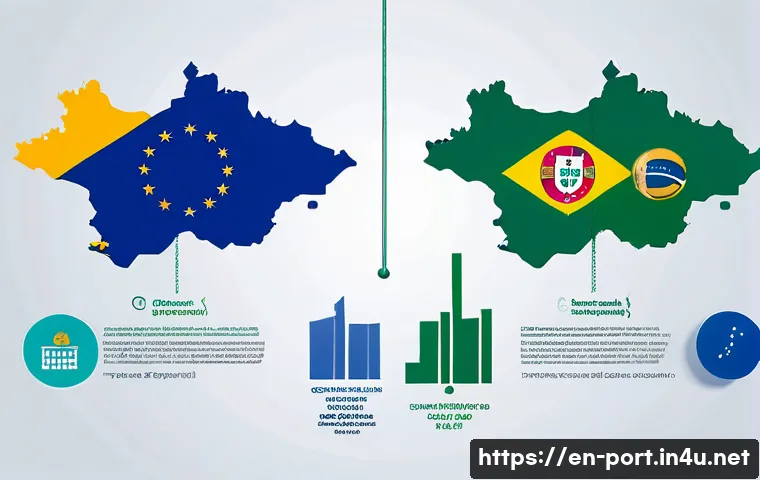
Effective public administration is key to implementing policies, but corruption remains a significant challenge. Brazil has faced high-profile scandals that have shaped political reforms and public trust.
Portugal also deals with corruption issues but generally scores better on transparency indices. Anti-corruption measures, audits, and citizen participation are vital to improving governance.
Awareness of these dynamics provides a realistic view of political accountability and institutional strength.
Legal Frameworks and Judicial Systems
Constitutional Principles and Rights
The constitution is the supreme law outlining citizens’ rights and government powers. Brazil’s 1988 Constitution is known for its progressive social rights and decentralization, reflecting lessons from its authoritarian past.
Portugal’s 1976 Constitution emphasizes democracy, human rights, and European integration. Understanding constitutional principles helps you interpret legal debates and citizens’ protections in political contexts.
Court Systems and Judicial Independence
Judicial systems in these countries include multiple levels of courts handling civil, criminal, and administrative cases. Brazil’s Supreme Federal Court serves as the constitutional guardian, while Portugal’s Constitutional Court performs similar functions.
Judicial independence is essential for checks and balances, ensuring laws comply with the constitution. Knowing the court hierarchy and key judicial terms allows you to follow landmark rulings and their impact on politics and society.
Legal Terminology and Its Practical Use
Familiarity with legal terminology like “mandado de segurança” (writ of security) or “habeas corpus” enriches your understanding of political news and citizen rights.
These terms often appear in discussions about judicial reviews, human rights, and government accountability. Learning legal language helps you navigate complex reports and engage more confidently in conversations about law and governance.
Economic Indicators and Market Terminology
Gross Domestic Product and Growth Rates
GDP, or “Produto Interno Bruto,” measures the total value of goods and services produced, serving as a key indicator of economic health. Brazil’s GDP reflects its vast natural resources and diverse economy, but it fluctuates with global commodity prices.
Portugal’s smaller economy is more service-oriented, with steady growth influenced by tourism and exports. Understanding GDP figures and growth rates helps you analyze economic reports and investment opportunities.
Unemployment and Labor Market Terms
Terms like “desemprego” (unemployment) and “mercado de trabalho” (labor market) are central when discussing economic challenges. Brazil struggles with high unemployment in some regions, influenced by education levels and economic cycles.
Portugal has faced youth unemployment issues but benefits from EU-funded job programs. Knowing these terms provides insight into social stability and economic policies aimed at job creation.
Currency and Inflation Impact on Markets
Brazil uses the real (BRL), and Portugal uses the euro (EUR), which affects their economic policies and international trade. Currency fluctuations influence inflation, import costs, and foreign investment.
For example, a depreciating real can make exports cheaper but increase inflationary pressure. The euro provides Portugal with stability but limits independent monetary policy.
Understanding currency dynamics and inflation’s market impact helps you make sense of financial news and investment risks.
| Term | Meaning | Context |
|---|---|---|
| Federalism | Division of power between national and regional governments | Brazil has a federal system; Portugal is a unitary state |
| Inflação | Inflation, rise in general price levels | Managed by central banks, affects purchasing power |
| Bolsa Família | Conditional cash transfer program in Brazil | Reduces poverty by providing financial aid to poor families |
| Produto Interno Bruto (PIB) | Gross Domestic Product | Measures economic output and health |
| Desemprego | Unemployment | Indicator of labor market health |
| Mandado de Segurança | Legal instrument to protect rights | Used in judicial reviews |
International Relations and Diplomatic Language
Foreign Policy Priorities
Brazil and Portugal maintain active foreign policies reflecting their historical ties and economic interests. Brazil focuses on regional leadership in Latin America and engagement with BRICS countries, promoting trade and environmental issues.
Portugal leverages its EU membership and Lusophone connections to strengthen diplomatic and economic ties worldwide. Understanding terms related to diplomacy helps you follow international agreements, summits, and geopolitical strategies.
Trade Agreements and Economic Partnerships
Trade agreements like MERCOSUR for Brazil and the EU single market for Portugal shape economic opportunities and regulations. These partnerships affect tariffs, market access, and investment flows.
Keeping up with trade terminology enables you to comprehend how global economic shifts impact local businesses and consumers.
Multilateral Organizations and Cooperation
Both countries participate in multilateral organizations such as the United Nations, World Trade Organization, and Community of Portuguese Language Countries (CPLP).
These platforms facilitate cooperation on issues like security, development, and cultural exchange. Familiarity with these organizations enriches your understanding of global governance and international collaboration among Portuguese-speaking nations.
Concluding Thoughts
Exploring the foundations of government, economic principles, and political dynamics in Portuguese-speaking countries offers valuable insights into their unique systems. Understanding these aspects enhances our ability to engage thoughtfully with their political news and economic developments. Whether it’s federalism, fiscal policies, or international relations, grasping these fundamentals provides a clearer picture of how these nations operate and interact globally.
Useful Information to Remember
1. Federalism varies significantly, with Brazil having a decentralized system, while Portugal operates as a unitary state, influencing how policies are applied regionally.
2. Legislative and executive structures differ, affecting how laws are made and enforced; Brazil’s bicameral congress contrasts with Portugal’s unicameral parliament.
3. Economic terms like inflation and fiscal policy are key to understanding market conditions and government actions in both countries.
4. Social programs such as Brazil’s Bolsa Família and Portugal’s social safety nets play critical roles in poverty reduction and social equity.
5. International partnerships and trade agreements shape economic opportunities and diplomatic relations, reflecting each country’s global priorities.
Key Takeaways for Better Understanding
Grasping the distinctions in governance, from federalism to executive power, is essential for following political developments. Awareness of economic indicators and social policies provides context for market behavior and public welfare. Recognizing electoral systems and party ideologies clarifies political shifts and citizen engagement. Lastly, understanding legal frameworks and international relations enhances comprehension of both domestic and global interactions involving Portuguese-speaking nations.
Frequently Asked Questions (FAQ) 📖
Q: Why is it important to learn political and economic terms in Portuguese when studying Brazil or Portugal?
A: Understanding political and economic terms in Portuguese is crucial because it gives you direct access to how these societies discuss governance, policy, and markets.
For Brazil, a country with a complex political system and a rapidly evolving economy, knowing these terms helps you interpret news, legal documents, or business negotiations accurately.
In Portugal, the historical and institutional context shapes many of these terms, so grasping them enriches your comprehension of both past and present issues.
I’ve found that when I engage with Portuguese-language sources, my insights become more nuanced, making conversations and decisions more informed and confident.
Q: How can knowing these terms improve my experience when following international news or doing business?
A: When you’re fluent in the specific language of politics and economics, you catch subtleties that get lost in translation or simplified summaries. For example, terms related to government branches, fiscal policies, or trade agreements in Portuguese often carry cultural or institutional weight that shapes their real-world impact.
From my experience, this deeper understanding allows you to spot trends early, avoid misunderstandings, and communicate more effectively with Portuguese-speaking partners.
It’s like having a backstage pass that reveals the full story behind headlines and market moves.
Q: What are some essential political and economic Portuguese terms I should start with?
A: Start with foundational terms like “governo” (government), “presidente” (president), “congresso” (congress), and “partido político” (political party) to get a grip on political structures.
On the economic side, words like “inflação” (inflation), “PIB” (GDP), “taxa de câmbio” (exchange rate), and “política fiscal” (fiscal policy) are key to understanding market dynamics.
When I first learned these, I paired them with real-world examples, like tracking Brazil’s inflation reports or Portugal’s budget announcements, which made the learning process much more practical and engaging.