Exploring the connection between Portuguese and religious expressions opens a fascinating window into how language reflects culture and faith. Portuguese, spoken by millions worldwide, carries rich spiritual nuances shaped by history and tradition.
Whether in everyday greetings or profound prayers, religious influences subtly color the words and phrases we use. Understanding these expressions not only deepens our grasp of the language but also reveals the enduring impact of spirituality on communication.
Join me as we dive into this captivating blend of language and belief—let’s uncover the details together!
The Lingering Echoes of Faith in Everyday Language
Casual Greetings Rooted in Blessings
You might be surprised how often faith slips into simple hellos and goodbyes when speaking Portuguese. Expressions like “Deus te abençoe” (God bless you) aren’t just formalities but habitual blessings woven into casual conversations.
I’ve noticed that even when friends part ways or catch up after a long time, these religious undertones naturally flow, almost like a comforting ritual.
It’s as if the language itself carries a gentle reminder of divine presence, making social exchanges feel warmer and more sincere. This subtle integration shows how deeply spirituality is embedded in daily life, far beyond church walls.
Expressions of Gratitude with a Spiritual Twist
Gratitude in Portuguese often carries a spiritual dimension that’s less common in English. For example, saying “Graças a Deus” (Thanks to God) after receiving good news or overcoming a challenge reflects a humble acknowledgment of something greater than oneself.
From my own experience, it’s not just a phrase but a heartfelt expression that invites reflection on life’s blessings. This practice adds a layer of meaning to everyday thankfulness, connecting personal success or happiness with divine favor.
It also highlights a cultural attitude that credits faith as an essential part of life’s journey.
Common Phrases That Echo Religious Traditions
Many Portuguese expressions have origins in religious rituals or beliefs, even if people don’t consciously think about it. Take “Fique com Deus” (Stay with God), a phrase often used when bidding farewell.
It feels like more than just saying goodbye—it’s a wish for spiritual protection and peace. Similarly, “Paz de Cristo” (Peace of Christ) is a greeting or blessing that carries a profound sense of calm and goodwill.
These phrases reflect centuries of Christian influence that have left a lasting mark on how people communicate care and goodwill.
How Historical Religious Movements Shaped Vocabulary
The Catholic Church’s Role in Language Development
Portugal’s history is closely tied to the Catholic Church, which played a massive role in shaping its language. Many words and idioms trace back to liturgical Latin and ecclesiastical practices introduced during the Middle Ages.
When I researched this, it became clear how church teachings permeated everyday speech, embedding theological concepts into common vocabulary. This influence didn’t just stop at formal religious contexts—it trickled into legal, educational, and social spheres, creating a linguistic legacy still evident today.
Influence of Religious Festivals on Expressions
Religious festivals like Easter and Christmas aren’t just holidays; they contribute unique phrases and sentiments to the language. For example, “Feliz Páscoa” (Happy Easter) and “Boas Festas” (Happy Holidays) carry more than celebratory meaning—they evoke a collective spiritual memory.
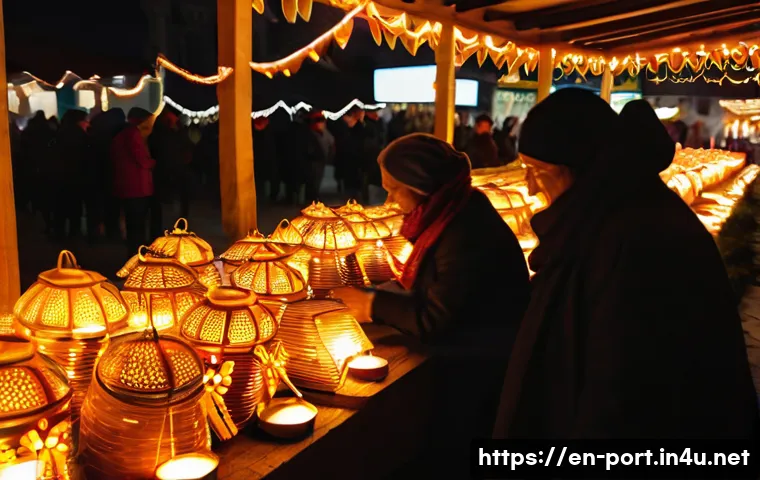
I remember attending a Portuguese Christmas market where these greetings sparked conversations full of warmth and shared cultural pride. These expressions help preserve communal identity and faith through language, uniting people across generations.
Language as a Vessel for Moral Lessons
Many Portuguese proverbs and sayings stem from religious teachings aimed at guiding behavior. Phrases like “Quem espera em Deus, nunca se cansa” (He who waits on God never grows weary) serve as moral encouragements wrapped in faith.
From personal encounters, I’ve seen how these sayings offer comfort and resilience, especially in tough times. They function as linguistic tools for transmitting values, reinforcing the idea that language and spirituality together nurture both mind and soul.
The Spiritual Meaning Behind Key Religious Terms
Understanding Words for God and Divinity
Portuguese offers several words for God, such as “Deus,” “Senhor,” and “Pai,” each carrying distinct nuances. “Deus” is the general term for God, while “Senhor” (Lord) often emphasizes authority and reverence, and “Pai” (Father) highlights a personal, intimate relationship.
I’ve found that recognizing these subtle differences enriches one’s appreciation of prayers and hymns. It’s like peeling back layers to see how language captures different facets of spirituality, from awe to closeness.
Terms Denoting Sacredness and Holiness
Words like “sagrado” (sacred), “santo” (holy), and “divino” (divine) appear frequently in religious contexts and everyday speech. These terms often go beyond their literal meanings, conveying a sense of reverence and respect that spills into cultural attitudes.
For instance, when describing a place or moment as “sagrado,” it signals more than just physical importance—it implies a spiritual dimension that commands honor.
Experiencing this firsthand, I realized how these words shape people’s perceptions of the world around them.
The Language of Prayer and Devotion
Prayer-related vocabulary, such as “oração” (prayer), “reze” (pray), and “bendizer” (to bless), reveals much about how Portuguese speakers express devotion.
I’ve noticed that the rhythm and choice of words in prayers often carry a poetic quality, designed to evoke both emotion and reflection. This linguistic artistry reflects the deep emotional connection many feel toward their faith.
It’s a reminder that language isn’t just functional—it’s a living expression of belief and hope.
Everyday Phrases That Carry Spiritual Weight
Expressions of Comfort and Consolation
When comforting someone, Portuguese speakers often draw on religious phrases that offer more than simple sympathy. Saying “Vai ficar tudo bem, com a graça de Deus” (Everything will be fine, with God’s grace) conveys hope and spiritual reassurance.
I recall moments when hearing such expressions felt genuinely uplifting, providing emotional support that transcended mere words. This blend of language and faith creates a powerful tool for empathy and connection.
Invoking Faith in Moments of Challenge
In times of difficulty, phrases like “Deus é fiel” (God is faithful) and “Confie em Deus” (Trust in God) are frequently used to inspire courage and perseverance.
From personal experience, these sayings often surface naturally, almost instinctively, as a way to find strength. They reveal how language can serve as a bridge between human vulnerability and spiritual resilience.
Hearing these affirmations can transform a tense situation into one filled with hope.
Celebratory Expressions Infused with Blessings
Celebrations are often marked by blessings and prayers embedded in common phrases. When congratulating someone, it’s not unusual to hear “Que Deus te abençoe” (May God bless you), which adds a heartfelt wish for continued prosperity and protection.
I’ve found this practice enriches social bonds, turning joyful moments into shared spiritual experiences. It reflects a cultural tendency to blend happiness with gratitude toward the divine.
The Role of Religious Language in Portuguese Literature and Music
Religious Themes in Poetry and Prose
Portuguese literature is rich with religious symbolism and motifs, from classic poetry to modern novels. Writers often use spiritual language to explore themes of faith, doubt, and redemption.
I’ve personally enjoyed reading works where sacred imagery adds depth and complexity to characters and plots. This tradition underscores how language inspired by religion can transcend the sacred to become a profound artistic tool.
Sacred Music and Its Linguistic Impact
Fado, hymns, and other traditional Portuguese music genres frequently incorporate religious expressions that resonate emotionally with listeners. The lyrical use of phrases like “misericórdia” (mercy) or “salvação” (salvation) adds layers of spiritual longing and comfort.
Attending live performances, I noticed how these words evoke collective memory and cultural identity, making music a vessel for faith and language intertwined.
Language as a Reflection of Spiritual Identity
The intertwining of religious language with cultural expression reveals how deeply faith shapes personal and collective identity. Through literature and music, Portuguese speakers express not only devotion but also the complexities of spiritual experience.
This interplay enriches the language, making it a dynamic reflection of belief systems and cultural heritage.
Common Religious Phrases and Their Cultural Significance
| Phrase | Literal Translation | Context | Cultural Meaning |
|---|---|---|---|
| Deus te abençoe | God bless you | Farewell, well-wishing | Expresses care, invoking divine protection |
| Graças a Deus | Thanks to God | Relief, gratitude | Acknowledges blessings and divine favor |
| Fique com Deus | Stay with God | Parting phrase | Wishes spiritual safety and peace |
| Paz de Cristo | Peace of Christ | Greeting or blessing | Conveys calm, goodwill, and faith |
| Confie em Deus | Trust in God | Encouragement in hardship | Inspires hope and perseverance |
The Subtle Influence of Religion on Modern Portuguese Communication
How Faith Shapes Politeness and Courtesy
Even in modern contexts, religious undertones influence how politeness is expressed in Portuguese. The use of blessings and spiritual wishes often accompanies requests or favors, adding a layer of respect and goodwill.
From conversations with native speakers, I realized this practice softens interactions and fosters a sense of community. It’s fascinating how language evolves yet retains these spiritual echoes that enhance social harmony.
The Persistence of Religious Language in Secular Settings
Though society becomes increasingly secular, many religious expressions persist in everyday language. This endurance shows how deeply embedded these phrases are, transcending purely religious meaning to become cultural norms.
I’ve observed that people use them more out of habit or tradition than active faith, yet the words still carry comforting and familiar connotations. This phenomenon highlights the complex relationship between language, culture, and belief.
Language as a Bridge Between Generations
Religious expressions in Portuguese often serve as links connecting older and younger generations. Grandparents, for example, frequently pass down these phrases, instilling a sense of heritage and continuity.
In my own encounters, I’ve seen how these linguistic traditions strengthen family bonds and cultural identity. This intergenerational transmission preserves the spiritual essence of the language while adapting to contemporary life.
Closing Thoughts
The deep connection between faith and everyday Portuguese language reveals a rich cultural tapestry where spirituality subtly enriches communication. These expressions not only reflect religious heritage but also foster warmth, hope, and community in daily interactions. Exploring this linguistic blend offers a meaningful glimpse into how belief shapes identity and social bonds in Portuguese-speaking societies.
Useful Information to Keep in Mind
1. Many common Portuguese phrases used daily have roots in religious traditions, making conversations feel more heartfelt and sincere.
2. Expressions of gratitude and comfort often carry a spiritual dimension, adding depth to simple acts of kindness or support.
3. Religious language continues to influence modern communication, softening interactions and strengthening social harmony.
4. These spiritual phrases serve as bridges between generations, preserving cultural identity and shared values.
5. Understanding the nuances behind religious terms enhances appreciation for the language’s emotional and cultural richness.
Key Takeaways
Religious expressions are not just relics of the past but living elements that shape Portuguese communication today. Their presence in greetings, comfort, and celebration reflects an enduring cultural respect for faith. Recognizing this influence helps deepen cross-cultural understanding and highlights the powerful role language plays in connecting people emotionally and spiritually.
Frequently Asked Questions (FAQ) 📖
Q: How has religion historically influenced the Portuguese language?
A: Religion, especially Christianity, has played a pivotal role in shaping Portuguese over centuries. When Portugal embraced Catholicism, many religious terms, phrases, and expressions became deeply embedded in everyday speech.
For example, greetings like “Deus te abençoe” (God bless you) or exclamations like “Santa Maria!” reflect this heritage. This influence extends beyond vocabulary into cultural norms and communication styles, where faith-based expressions often carry warmth and sincerity.
Q: Are religious expressions in Portuguese used only in formal settings, or do they appear in casual conversations as well?
A: Surprisingly, religious expressions are very much part of casual, everyday Portuguese conversations. People often say “Obrigado a Deus” (Thanks to God) when something good happens or use “Vai com Deus” (Go with God) as a heartfelt farewell.
These phrases aren’t restricted to church contexts but are woven into common speech, showing how spirituality naturally blends with daily life in Portuguese-speaking communities.
Q: Can understanding religious expressions improve my overall Portuguese language skills?
A: Absolutely. Grasping these expressions gives you insight into cultural values and emotional nuances that standard textbooks might miss. When you understand why people say certain phrases and what feelings they convey, your communication becomes more authentic and engaging.
Plus, it opens doors to richer conversations and helps build connections with native speakers who appreciate the cultural depth behind their language.
From my experience, learning these subtle religious undertones made my interactions much more meaningful.