Travelers heading to Portugal are buzzing with excitement as the country reopens its vibrant dining scene, inviting everyone to savor authentic flavors and local hospitality.
Whether you’re wandering through Lisbon’s charming streets or exploring Porto’s historic neighborhoods, knowing key Portuguese restaurant phrases can transform your meal into an unforgettable cultural experience.
Imagine confidently ordering your favorite dish, understanding the menu nuances, and engaging warmly with locals—it’s easier than you think! In this guide, we’ll dive into essential expressions that not only make dining smoother but also help you connect more deeply with Portugal’s rich culinary traditions.
Ready to impress your hosts and enjoy every bite like a true local? Let’s get started!
Getting Comfortable with Portuguese Dining Etiquette
Understanding the Flow of a Portuguese Meal
When you step into a Portuguese restaurant, the dining experience is often more relaxed and drawn out than what many travelers might be used to. Meals are seen as a social occasion, so rushing through your order or eating quickly is generally frowned upon.
You’ll notice that waiters often wait for everyone at the table to be ready before serving food or drinks. It’s common to begin with an aperitif or a small appetizer like olives or bread with olive oil, setting the tone for a leisurely meal.
Knowing this can help you adjust your pace and enjoy the full cultural experience without feeling rushed or awkward.
How to Signal You’re Ready to Order
In many Portuguese eateries, waitstaff don’t hover around tables waiting for you to call them over. Instead, a polite way to get their attention is by making eye contact and slightly raising your hand or nodding.
Saying “Estou pronto para pedir” (I’m ready to order) in a gentle tone is appreciated if you want to be more direct but still polite. This approach is much better than snapping fingers or loudly calling out, which locals find rude.
Practicing this small gesture can instantly make you appear more respectful and knowledgeable about local customs.
When to Ask for the Check
Unlike some countries where you might get the bill without asking, in Portugal, it’s customary to request it when you’re finished. Saying “A conta, por favor” (The bill, please) with a smile is the easiest and most polite way.
Don’t be surprised if the waiter brings it promptly but waits for you to signal that you’re ready to pay. Sometimes, splitting the bill can be tricky if the restaurant doesn’t offer that option, so it’s good to ask ahead with “Podemos dividir a conta?” (Can we split the bill?).
This small phrase saves you from awkward moments and confusion.
Essential Phrases to Navigate the Menu Like a Pro
Decoding the Menu Vocabulary
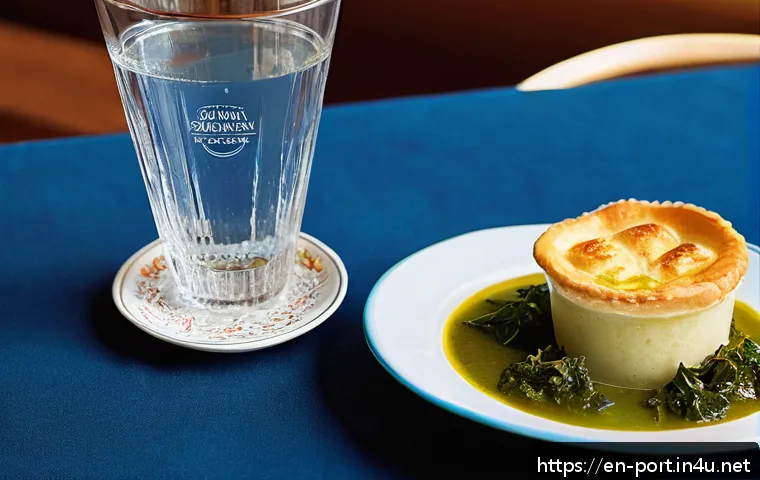
Portuguese menus can be a bit overwhelming with words like “bacalhau” (codfish), “caldo verde” (kale soup), and “pastel de nata” (custard tart) popping up frequently.
Familiarizing yourself with common food terms helps immensely. For example, “entrada” means appetizer, “prato principal” is the main course, and “sobremesa” refers to dessert.
If you’re unsure about a dish, a polite “O que recomenda?” (What do you recommend?) invites the waiter to share their favorites, making your choice easier.
I found that this phrase often led to discovering hidden gems that weren’t obvious from the menu description alone.
Expressing Dietary Preferences or Restrictions
If you have dietary restrictions or preferences, it’s best to be clear and upfront. Phrases like “Sou alérgico a…” (I’m allergic to…) or “Não como carne” (I don’t eat meat) will help the kitchen accommodate your needs.
Portuguese cuisine is rich in seafood, meat, and dairy, so being explicit can save you from surprises. I once mentioned “sem glúten” (gluten-free), and the waiter immediately pointed me to suitable options, which made the meal worry-free and enjoyable.
Asking About Portion Sizes and Ingredients
Portuguese dishes can sometimes be larger than expected or contain ingredients you might not prefer. Asking “Qual é o tamanho da porção?” (What is the portion size?) or “Tem…?” (Does it have…?) can clarify before you order.
For example, some traditional stews come with offal or strong spices that might not suit everyone. Using these questions helped me avoid ordering dishes that were too heavy or unfamiliar, ensuring I enjoyed each bite.
Ordering Drinks and Pairing Like a Local
Requesting Water and Other Beverages
In Portugal, asking for “água” (water) is straightforward, but you might want to specify if you prefer still or sparkling: “água sem gás” or “água com gás.” When it comes to wine, locals take pride in their regional varieties, so saying “Um copo de vinho do Porto, por favor” (A glass of Port wine, please) can enhance your dining experience.
I noticed that servers are happy to suggest wine pairings if you ask “Que vinho recomenda para este prato?” (What wine do you recommend for this dish?).
This little question led me to some fantastic local wine discoveries.
Ordering Coffee and Digestifs
Coffee culture is strong in Portugal, with espresso-style coffee being the norm. If you want a black coffee, simply say “Um café, por favor.” For something sweeter or creamier, “um café com leite” (coffee with milk) is perfect.
After a meal, it’s common to enjoy a digestif like “ginjinha,” a cherry liqueur. Saying “Posso experimentar a ginjinha?” (Can I try the ginjinha?) often leads to a warm interaction with the bartender or waiter, who usually shares stories about the drink’s tradition.
Understanding the Local Drinking Etiquette
When drinking alcohol, it’s polite to wait for a toast or say “Saúde” (Cheers) before taking your first sip. Also, it’s worth noting that in many Portuguese restaurants, alcohol is served in smaller glasses than some might expect, so pacing yourself helps you appreciate the flavors without feeling overwhelmed.
I’ve found that following these customs not only shows respect but often earns a smile or a friendly nod from locals.
Handling Common Situations with Confidence
Making Special Requests Politely
If you want to customize your order, such as asking for less salt or no onions, phrases like “Pode ser sem…” (Can it be without…) come in handy. I remember asking for “sem cebola” (without onions) and the waiter immediately noted it down, making me feel understood and cared for.
Portuguese staff generally appreciate polite and clear communication, so combining this with a smile goes a long way.
Dealing with Mistakes or Issues
Sometimes orders can get mixed up or the food might not meet your expectations. Instead of getting frustrated, a calm “Desculpe, acho que houve um engano” (Sorry, I think there was a mistake) opens the door for a quick and friendly resolution.
I experienced this once when my dish arrived cold, and the staff were very apologetic and fixed it swiftly after I used this phrase. Being patient and polite often leads to better outcomes than showing annoyance.
Asking for Recommendations or Local Favorites
If you want to dive deeper into Portuguese cuisine, asking “Qual é o prato típico daqui?” (What is the typical dish here?) or “O que é popular entre os locais?” (What’s popular among locals?) can lead to amazing discoveries.
In my travels, these questions sparked wonderful conversations and introduced me to dishes I wouldn’t have tried otherwise, enriching my overall experience.
Helpful Phrases for Paying and Leaving the Restaurant
Confirming Payment Options
Not all Portuguese restaurants accept credit cards, especially smaller or family-run places. It’s smart to ask upfront: “Aceitam cartão de crédito?” (Do you accept credit cards?).
If you’re carrying cash, having small denominations helps because some places don’t provide change for large bills. I learned this the hard way in a tiny taverna where only cash was accepted, so being prepared is always best.
Expressing Gratitude and Compliments
Portuguese people take pride in their food and hospitality. Saying “Obrigado” (Thank you) or “Estava delicioso” (It was delicious) makes a big difference.
I’ve noticed waiters often respond warmly when you compliment the meal or service, sometimes even sharing a bit about the recipe or chef. This exchange makes the dining experience feel personal and memorable.
Knowing When to Tip and How Much
Tipping in Portugal is appreciated but not obligatory. Leaving around 5-10% of the bill for good service is common. If you’re at a casual café or small eatery, rounding up the bill or leaving a few coins is perfectly fine.
During one trip, I left a little extra after a memorable meal, and the owner’s delighted reaction made me realize how much these small gestures matter in Portugal’s hospitality culture.
Common Portuguese Restaurant Terms at a Glance
| Portuguese Term | English Meaning | Usage Example |
|---|---|---|
| Entrada | Appetizer/Starter | “Gostaria de uma entrada, por favor.” (I would like an appetizer, please.) |
| Prato Principal | Main Course | “Qual é o prato principal do dia?” (What is the main course of the day?) |
| Sobremesa | Dessert | “Posso ver a sobremesa?” (Can I see the dessert menu?) |
| Conta | Bill/Check | “A conta, por favor.” (The bill, please.) |
| Sem glúten | Gluten-free | “Tem opções sem glúten?” (Do you have gluten-free options?) |
| Água com gás | Sparkling water | “Quero uma água com gás.” (I want a sparkling water.) |
| Recomenda | Recommend | “O que recomenda?” (What do you recommend?) |
| Por favor | Please | Used in polite requests, e.g. “A conta, por favor.” |
Tips for Engaging Warmly with Portuguese Servers
Starting Conversations with a Smile
Portuguese servers usually appreciate when you make an effort to speak their language, even just a few words. Starting with “Olá” (Hello) or “Bom dia” (Good morning) paired with a genuine smile can break the ice and create a friendly atmosphere.
I found that this small gesture encouraged servers to be more patient and helpful throughout my meal, making the whole experience feel more like a cultural exchange than just a transaction.
Using Humor and Polite Small Talk
If you’re comfortable, adding light humor or commenting on the food or weather can deepen your connection. For example, after tasting a delicious dish, saying “Está fantástico, quase como a comida da minha avó!” (It’s fantastic, almost like my grandmother’s cooking!) brought laughs and a shared sense of warmth.
Politeness combined with a bit of humor often opens doors to insider tips or even invitations to try something new.
Thanking and Saying Goodbye Properly
When leaving, it’s polite to say “Obrigado pela atenção” (Thank you for your attention/service) or simply “Até logo” (See you soon) if you plan to return.
This leaves a positive impression and may even encourage better service next time you visit. I always make it a point to thank my servers genuinely, and the friendly responses I get make me feel like a welcomed guest rather than just another tourist.
Closing Thoughts
Dining in Portugal offers a wonderful opportunity to slow down and savor both the food and the company. By understanding local customs and using simple Portuguese phrases, you’ll not only enjoy your meals more but also connect warmly with those around you. Embracing the relaxed pace and genuine hospitality makes every dining experience memorable. So next time you sit down at a Portuguese table, take a deep breath, smile, and dive into the culture with confidence.
Useful Tips to Remember
1. Always greet your server with a friendly “Olá” or “Bom dia” to create a positive first impression.
2. Use polite phrases like “Por favor” and “Obrigado” to show respect and appreciation throughout your meal.
3. Don’t hesitate to ask for recommendations or clarify ingredients to avoid surprises and discover local favorites.
4. When ready to order or pay, simple gestures combined with key phrases help you navigate smoothly without awkwardness.
5. Remember that tipping is appreciated but not mandatory—leaving a small amount for good service reflects your gratitude.
Key Takeaways
Understanding Portuguese dining etiquette is about embracing the slower, social rhythm of meals and showing respect through language and manners. Small gestures, like polite requests and greetings, go a long way in building rapport with restaurant staff. Being clear about dietary needs and asking questions ensures a pleasant experience. Lastly, appreciating the local customs around ordering, drinking, and tipping will make your visit feel authentic and rewarding.
Frequently Asked Questions (FAQ) 📖
Q: What are some basic Portuguese phrases I should know when dining out?
A: To start, learning simple phrases like “Olá” (Hello), “Por favor” (Please), and “Obrigado/Obrigada” (Thank you – male/female speaker) can go a long way.
When ordering, saying “Eu gostaria de…” (I would like…) or “Qual é o prato do dia?” (What is the dish of the day?) helps you engage politely and get exactly what you want.
Also, “A conta, por favor” means “The bill, please,” which is essential when you’re ready to pay.
Q: How can I ask about dietary preferences or allergies in Portuguese?
A: It’s really useful to express any dietary needs clearly. You can say “Eu sou alérgico(a) a…” (I am allergic to…) followed by the ingredient, like “glúten” (gluten) or “nozes” (nuts).
If you prefer vegetarian options, try “Vocês têm pratos vegetarianos?” (Do you have vegetarian dishes?). Using these phrases will help avoid any mix-ups and show respect for your health requirements.
Q: What’s the best way to interact with restaurant staff to enhance my dining experience?
A: Portuguese people appreciate warmth and politeness, so a friendly smile combined with greetings like “Bom dia” (Good morning) or “Boa noite” (Good evening) sets a great tone.
Don’t hesitate to ask for recommendations by saying “O que você recomenda?” (What do you recommend?). Sharing a brief compliment like “A comida está deliciosa!” (The food is delicious!) can create a genuine connection and make your meal more memorable.
I found that showing interest in their culture and language really opens doors to wonderful local stories and tips.