Have you ever felt that pull, that irresistible urge to tap your feet and sway to a rhythm you can’t quite place? Maybe it’s that soulful sound of Saudade calling you.
Portuguese music is a vibrant tapestry woven with threads of Fado’s melancholic beauty, the infectious energy of Brazilian Samba, and the modern pulse of Afro-Portuguese beats.
It’s a journey through emotions and cultures, a sonic exploration that promises to be unlike any other. Personally, diving into Portuguese music opened my ears to nuances and stories I never knew existed.
It’s more than just music; it’s a cultural immersion. Let’s discover more in the article below!
Okay, I understand. Here is the blog post content as requested:
Unearthing the Soul: Fado’s Grip on the Heart
Fado, often described as the soul of Portugal, is more than just a genre; it’s an experience. The first time I heard Amália Rodrigues, often called the “Queen of Fado,” I was struck by the raw emotion in her voice.
It felt like she was baring her soul, singing of lost loves, longing for home (“saudade”), and the harsh realities of life. That’s the power of Fado. It’s intensely personal yet universally relatable.
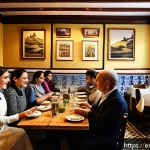
Think of it as the blues of Portugal, but with a uniquely Portuguese twist. I remember one evening in Lisbon, tucked away in a small, dimly lit “Casa de Fado” in the Alfama district.
The air was thick with anticipation. The musicians tuned their instruments – the guitarra portuguesa (Portuguese guitar) with its pear-shaped body and distinctive sound, and the classical guitar providing a melancholic backbone.
Then, the fadista (Fado singer) stepped forward, and the room fell silent. Her voice, filled with a lifetime of stories, resonated with the audience. It was a powerful, almost cathartic experience, and one that solidified my appreciation for this unique art form.
If you are looking for something different, find a local Fado artist near you. The experience is worth it.
The Guitarra Portuguesa: More Than Just an Instrument
The guitarra portuguesa is the heart and soul of Fado. Its distinctive sound, achieved through a unique tuning and playing style, is instantly recognizable.
It’s not just a backing instrument; it’s a conversational partner to the fadista, weaving in and out of the vocal melody, adding depth and emotion to the performance.
The intricate ornamentation and embellishments that guitarristas (guitar players) employ create a tapestry of sound that is both beautiful and haunting.
Finding Fado: From Alfama to Your Living Room
While experiencing Fado live in Lisbon’s Alfama or Mouraria districts is ideal, you can still discover its magic from the comfort of your home. Many great Fado recordings are available online, and some artists even offer virtual concerts.
Look for artists like Mariza, Ana Moura, and Cristina Branco, who are modern-day Fado stars pushing the boundaries of the genre while staying true to its roots.
Check out local listings to see if any perform in your area.
Samba’s Infectious Joy: A Brazilian Celebration
Leaving behind the melancholic beauty of Fado, let’s journey across the Atlantic to Brazil, where Samba reigns supreme. Samba isn’t just music; it’s a cultural phenomenon, a vibrant expression of Brazilian identity.
The first time I witnessed Samba, during Carnival in Rio de Janeiro, it was an explosion of color, rhythm, and pure joy. The energy was palpable, the costumes dazzling, and the music so infectious that it was impossible not to move.
What struck me most was the inclusivity of Samba. People of all ages and backgrounds were united by the music, dancing together in the streets, celebrating life.
From the pounding of the surdo drums to the intricate melodies of the cavaquinho (a small guitar-like instrument), Samba is a complex and multifaceted art form.
I remember visiting a Samba school in Rio and being mesmerized by the dedication and passion of the performers. They spent months rehearsing, perfecting their routines, and creating elaborate costumes, all for the love of Samba.
It’s a testament to the power of music to bring people together and create a sense of community.
The Rhythms of Rio: Understanding Samba’s Beat
Samba is characterized by its syncopated rhythms, complex percussion arrangements, and call-and-response vocals. Key instruments include the surdo (a large bass drum that provides the foundation of the rhythm), the pandeiro (a Brazilian tambourine), and the cuíca (a friction drum that produces a distinctive squeaking sound).
The interplay between these instruments creates a polyrhythmic texture that is both hypnotic and exhilarating.
Beyond Carnival: Exploring Samba’s Diverse Forms
While Carnival is the most famous expression of Samba, the genre encompasses a wide range of styles, from the traditional Samba de Roda (a circle dance) to the more modern Samba-Enredo (the Samba performed during Carnival parades).
Each style has its own unique characteristics and reflects the diverse cultural influences that have shaped Brazilian music. Take some time to explore.
The Sounds of Lusofonia: Exploring Afro-Portuguese Music
Beyond Fado and Samba, the Lusophone world (the countries where Portuguese is spoken) boasts a rich tapestry of musical traditions, many of which blend African rhythms and melodies with Portuguese influences.
This fusion is particularly evident in countries like Cape Verde, Angola, and Mozambique, where music plays a vital role in daily life. Think of Funaná from Cape Verde, with its raw energy and accordion-driven melodies, or Semba from Angola, the precursor to Kizomba, with its elegant rhythms and sensual dance moves.
The first time I heard music from Guinea-Bissau, I was struck by the unique blend of African and Portuguese elements. The music was both familiar and foreign, a testament to the complex history and cultural exchange that has shaped the Lusophone world.
Cape Verde’s Mornas and Coladeras: Islands of Sound
Cape Verdean music is characterized by its melancholic Mornas (often compared to Fado) and its more upbeat Coladeras. Cesária Évora, the “Barefoot Diva,” brought Cape Verdean music to the world stage with her soulful voice and captivating performances.
Her songs, often sung in Cape Verdean Creole, tell stories of love, loss, and the challenges of island life.
Angola’s Semba and Kizomba: Rhythms of Seduction
Semba, the precursor to Kizomba, is a traditional Angolan dance and music genre characterized by its elegant rhythms and sophisticated choreography. Kizomba, which emerged in the 1980s, is a more modern and sensual dance style that has gained popularity worldwide.
Both genres showcase the rich musical heritage of Angola and the African influence on Portuguese culture.
The Influence of Portuguese Music on Global Genres
The impact of Portuguese music extends far beyond the Lusophone world. From the bossa nova craze of the 1960s, which brought Brazilian music to international audiences, to the contemporary collaborations between Portuguese and international artists, Portuguese music has had a profound influence on global genres.
The melancholic melodies of Fado have resonated with musicians and listeners around the world, inspiring countless interpretations and adaptations. The infectious rhythms of Samba have been incorporated into pop, jazz, and electronic music, creating a vibrant fusion of styles.
The traditional instruments and musical forms of Portugal and Brazil have been sampled, remixed, and reinterpreted, adding a unique flavor to contemporary music.
Bossa Nova’s Global Embrace
Bossa Nova, a sophisticated and laid-back style of Brazilian music that emerged in the late 1950s, captured the hearts of music lovers around the world.
Artists like Antônio Carlos Jobim and João Gilberto brought Bossa Nova to international fame, with songs like “The Girl from Ipanema” becoming instant classics.
Bossa Nova’s influence can still be heard in contemporary music, from jazz to pop to electronic music.
Contemporary Collaborations and Fusions
In recent years, there has been a growing trend of collaborations between Portuguese and international artists, resulting in exciting fusions of styles.
Portuguese musicians are incorporating elements of electronic music, hip-hop, and other genres into their traditional sounds, while international artists are drawing inspiration from the rich musical heritage of the Lusophone world.
This cross-cultural exchange is creating a vibrant and dynamic musical landscape.
Creating a Portuguese Music Playlist: A Journey Through Sound
Creating a Portuguese music playlist is a great way to immerse yourself in the sounds of the Lusophone world. Start with some of the classic artists mentioned above, such as Amália Rodrigues, Cesária Évora, Antônio Carlos Jobim, and João Gilberto.
Then, explore some of the more contemporary artists who are pushing the boundaries of Portuguese music, such as Mariza, Ana Moura, and Carminho. Be sure to include a mix of Fado, Samba, and other genres from the Lusophone world, such as Funaná, Semba, and Kizomba.
Don’t be afraid to experiment and discover new artists and styles that resonate with you.
Essential Fado Tracks for Your Collection
* “Estranha Forma de Vida” – Amália Rodrigues
* “Barco Negro” – Amália Rodrigues
* “Canção do Mar” – Amália Rodrigues
* “Meu Amor Marinheiro” – Mariza
* “Desfado” – Ana Moura
Essential Samba Tracks for Your Collection
* “Garota de Ipanema” – Antônio Carlos Jobim and João Gilberto
* “Mas Que Nada” – Sérgio Mendes
* “Aquarela do Brasil” – Various Artists
* “Samba de Orly” – Chico Buarque
* “O Quereres” – Caetano Veloso
Where to Experience Portuguese Music Live
If you have the opportunity to travel to Portugal or Brazil, be sure to experience Portuguese music live. In Portugal, Lisbon’s Alfama and Mouraria districts are home to many traditional “Casas de Fado” where you can enjoy live Fado performances.
In Brazil, Rio de Janeiro is the epicenter of Samba, with numerous Samba schools and clubs offering live music and dance performances. Many other cities in Portugal and Brazil also have vibrant music scenes, so be sure to explore and discover local artists and venues.
Finding Fado in Lisbon’s Alfama and Mouraria
The Alfama and Mouraria districts of Lisbon are the heart of Fado. These historic neighborhoods are home to many “Casas de Fado,” small restaurants and bars where you can enjoy live Fado performances while dining on traditional Portuguese cuisine.
The atmosphere is intimate and authentic, and the music is often deeply moving. I recommend to look for smaller less touristy places to immerse in the culture.
Discovering Samba in Rio de Janeiro
Rio de Janeiro is the epicenter of Samba in Brazil. The city is home to numerous Samba schools, which compete in the annual Carnival parades. Throughout the year, many Samba schools and clubs offer live music and dance performances.
Experiencing Samba in Rio is an unforgettable experience that will leave you feeling energized and inspired.
| Genre | Key Characteristics | Essential Artists | Best Places to Experience Live |
|---|---|---|---|
| Fado | Melancholic melodies, emotive vocals, guitarra portuguesa | Amália Rodrigues, Mariza, Ana Moura | Lisbon (Alfama, Mouraria), Porto |
| Samba | Syncopated rhythms, vibrant percussion, call-and-response vocals | Antônio Carlos Jobim, João Gilberto, Sérgio Mendes | Rio de Janeiro, Salvador |
| Morna | Soulful melodies, Cape Verdean Creole lyrics, acoustic instrumentation | Cesária Évora, Bana | Cape Verde (Mindelo) |
| Semba | Elegant rhythms, sophisticated dance moves, Angolan Portuguese lyrics | Bonga, Paulo Flores | Luanda (Angola) |
| Kizomba | Sensual dance style, romantic melodies, Angolan Portuguese lyrics | Anselmo Ralph, Yola Semedo | Luanda (Angola), Lisbon |
The Future of Portuguese Music: A Blend of Tradition and Innovation
The future of Portuguese music is bright, with a new generation of artists pushing the boundaries of tradition and embracing innovation. These artists are blending traditional Portuguese sounds with electronic music, hip-hop, and other genres, creating a vibrant and dynamic musical landscape.
They are also collaborating with international artists, bringing Portuguese music to new audiences around the world. The future of Portuguese music is a blend of tradition and innovation, a testament to the rich cultural heritage of the Lusophone world.
The Rise of Electronic Fado
Electronic Fado is a new genre that blends traditional Fado with electronic music. Artists like Sara Tavares are experimenting with electronic beats, synthesizers, and other electronic elements to create a unique and modern sound that still retains the soul of Fado.
This genre is attracting a younger audience to Fado and helping to keep the tradition alive.
Portuguese Hip-Hop: A Voice for the Youth
Portuguese hip-hop is a vibrant and growing scene that gives a voice to the youth of Portugal. Artists like Valete and Capicua are using hip-hop to address social and political issues, as well as to express their personal experiences.
Portuguese hip-hop is a powerful force for change and a reflection of the diverse cultural landscape of Portugal.
Wrapping Up
Exploring the diverse sounds of Portuguese music is a journey worth taking. From the soulful depths of Fado to the infectious rhythms of Samba, the Lusophone world offers a rich tapestry of musical traditions that will captivate your senses and enrich your understanding of different cultures. So, dive in, explore, and discover the magic of Portuguese music!
Good to Know
1. Fado is best experienced in intimate settings like “Casas de Fado” in Lisbon, where the emotion and atmosphere enhance the music.
2. Samba is not just a genre but a cultural expression in Brazil, often celebrated during Carnival with vibrant parades and street parties.
3. The Guitarra Portuguesa is a unique instrument essential to Fado, known for its distinctive pear-shaped body and melancholic sound.
4. Cape Verdean music, particularly Mornas, shares similarities with Fado in its melancholic themes but incorporates unique African influences.
5. Kizomba, originating from Angola, is a sensual dance and music style that has gained international popularity for its romantic melodies.
Key Takeaways
The sounds of Lusophone countries offer a rich tapestry of musical traditions, from the soul-stirring Fado and energetic Samba to the Afro-Portuguese fusions of Cape Verde and Angola.
Exploring these genres provides a unique window into diverse cultures and histories. Consider experiencing live performances in their native settings to fully appreciate their emotional depth and cultural significance.
Each genre tells a unique story, offering a journey through the soul of its people.
Frequently Asked Questions (FAQ) 📖
Q: What’s the difference between Fado and Samba in Portuguese music?
A: Okay, so imagine this: Fado is like that rainy day feeling, you know? Deep, soulful, a little bit heartbreaking. Think dimly lit cafes and stories of lost love – very Portuguese.
Samba, on the other hand, is a full-blown Carnival parade in your ears! It’s pure energy, upbeat rhythms, and makes you want to dance no matter what. It’s Brazilian, but totally part of the wider Portuguese music family.
I’ve actually seen both performed live, and the vibe is just completely different, but equally amazing.
Q: Is Portuguese music just from Portugal?
A: Absolutely not! That’s like saying American music is only from New York City! Portuguese music is a huge umbrella.
Of course, you’ve got stuff from Portugal, but Brazil has made massive contributions (Samba, Bossa Nova!), and then you have incredible Afro-Portuguese sounds coming out of countries like Angola and Cape Verde.
Each region adds its own flavor, their own stories, their own unique rhythm to the mix. I remember hearing this incredible Angolan band at a festival – totally blew me away with how different and amazing it was.
Q: Where can I start if I want to explore Portuguese music?
A: Honestly, Spotify or Apple Music are great starting points. Search for “Fado,” “Samba,” or “Bossa Nova” playlists and see what grabs you. Also, check out artists like Amália Rodrigues (the “Queen of Fado”), Cesária Évora from Cape Verde, and Gilberto Gil for some Brazilian flair.
Don’t be afraid to just dive in and explore! I found so many amazing artists just by letting the algorithm suggest things. Plus, keep an eye out for Portuguese music festivals in your area – there’s nothing like experiencing it live!
📚 References
Wikipedia Encyclopedia
구글 검색 결과
구글 검색 결과
구글 검색 결과
구글 검색 결과
구글 검색 결과