Hey there, fellow adventurers and dreamers! It feels like everywhere I turn these days, Portugal is popping up in conversations, and honestly, I completely get why.

This incredible nation, with its sun-drenched beaches, charming historic cities, and an unmistakable zest for life, really has a way of calling to you.
But beyond the stunning Instagram feeds and the delicious pastel de nata, there’s a fascinating story about how Portugal’s role within the European Union is truly shaping its modern appeal.
I’ve personally seen so many people, from digital nomads to families looking for a new chapter, flocking to its shores, eager to embrace a different pace of life.
And let’s be real, while the thought of navigating a new language and culture, especially one deeply integrated into the EU, might seem a bit overwhelming at first, it’s actually where a lot of the magic happens.
Understanding Portuguese in the context of Europe isn’t just about communication; it’s about unlocking pathways to incredible experiences, economic opportunities, and a truly global perspective.
It’s a country that beautifully blends its rich heritage with a forward-thinking European outlook, and that combination is making it one of the most talked-about destinations right now.
So, if you’re curious about what makes this corner of Europe so captivating and how its unique linguistic and political landscape offers so much, let’s explore this thoroughly.
Unlocking the Golden Gateway: Navigating Life in Europe’s Sunny Corner
More Than Just a Vacation Spot: A Lifestyle Choice
When I first started seriously considering Portugal, like many of you, I envisioned endless days on stunning beaches and exploring ancient castles. And don’t get me wrong, those are absolutely part of the allure!
But what truly captivated me, and what I’ve seen draw so many others, is the incredible lifestyle it offers. It’s not just about the beautiful scenery; it’s about the pace of life, the emphasis on family and community, and that ubiquitous sense of *saudade* – a beautiful melancholic longing that somehow makes you appreciate every moment even more.
I remember my first few weeks, just sitting in a local *tasca*, sipping a bica, and just observing the rhythm of the day. People weren’t rushing. They were chatting, laughing, truly *living*.
It’s a profound shift from the hustle and bustle I was used to, and it’s a lifestyle choice that truly recalibrates your priorities. Whether you’re a young professional looking for a vibrant new scene, a family seeking a safe and welcoming environment, or someone dreaming of a sun-drenched retirement, Portugal offers a diverse tapestry of experiences that go far beyond a typical holiday.
I’ve heard countless stories, and experienced some myself, of people arriving for a short trip and finding themselves enchanted, realizing this isn’t just a place to visit, but a place to *be*.
The EU Advantage: Seamless Integration and Opportunities
Being part of the European Union isn’t just a political affiliation for Portugal; it’s a cornerstone of its modern identity and, frankly, a massive draw for anyone considering a move.
From a practical standpoint, the freedom of movement alone is a game-changer. As an EU citizen, or even with the right residency, you essentially have access to 27 other countries without border checks, making travel incredibly easy and opening up a world of weekend getaways and cultural exploration.
This integration also means a certain level of economic stability and adherence to European standards in everything from consumer protection to environmental regulations, which definitely adds a layer of trust and security.
I’ve found that this broader European context enriches life in Portugal, too. You see influences from all over the continent in its cities, its job market, and even its culinary scene.
It’s a wonderful blend of unique Portuguese charm with the vast opportunities and interconnectedness that comes with being a proud member of the EU. For many, including myself, knowing that you’re part of a larger, established economic and social framework makes the idea of relocating so much less daunting.
It’s like having a secure safety net while you explore new horizons.
Beyond the Beaches: Portugal’s Economic Renaissance and Why It Matters
A Thriving Hub for Innovation and Startups
Forget any outdated notions you might have had about Portugal’s economy; what I’ve witnessed firsthand over the past few years is nothing short of a renaissance, especially in the tech and startup sectors.
Cities like Lisbon and Porto have truly transformed into vibrant innovation hubs, attracting talent and investment from all corners of the globe. The government has been incredibly supportive, implementing initiatives that make it easier for new businesses to thrive, and the cost of living compared to other major European tech cities is still remarkably attractive.
I’ve personally attended several tech conferences in Lisbon, and the energy there is palpable – a real buzzing ecosystem of entrepreneurs, developers, and creatives.
It’s not just local talent; you’ll find people from all over Europe, North America, and beyond, contributing to a truly dynamic and international work environment.
This isn’t just about big companies either; there’s a fantastic network of co-working spaces and incubators fostering smaller, innovative projects. It genuinely feels like you’re on the ground floor of something exciting, watching a new economic chapter unfold right before your eyes.
The Euro’s Influence: Stability and Growth
Being part of the Eurozone offers Portugal a level of economic stability that’s a huge benefit to residents and businesses alike. For everyday life, using the Euro makes things incredibly straightforward, especially if you’re coming from another Eurozone country or frequently travel within Europe.
No more worrying about exchange rates when booking a flight to Paris or doing some online shopping from Germany! But beyond convenience, the single currency provides a strong economic backbone, reducing financial risks and fostering greater confidence for international trade and investment.
I’ve seen how this stability encourages foreign direct investment, leading to job creation and infrastructure improvements across the country. It means that when you’re looking at your finances, whether you’re paid in euros or converting your home currency, there’s a predictable and robust system in place.
This economic interconnectedness also means that Portugal benefits from the larger European market, allowing its products and services to reach a broader audience, which in turn fuels local growth and creates more opportunities for everyone.
Finding Your Tribe: Embracing Portugal’s Culture and Community Spirit
From Fado Nights to Local Festivities: Diving Deep into Tradition
One of the absolute joys of living in Portugal is the sheer richness of its culture and the incredibly welcoming community spirit. It’s not just something you read about; it’s something you *feel* from the moment you step foot here.
I’ve lost count of the number of times I’ve been invited to local festivities, from small village saints’ days to the huge, vibrant *Santos Populares* celebrations in Lisbon and Porto.
These aren’t just tourist attractions; they’re genuine expressions of community and tradition where everyone is welcome to join in the singing, dancing, and feasting.
And then there’s Fado – oh, Fado! It’s more than just music; it’s the soul of Portugal poured into song. Sitting in a dimly lit Fado house, listening to the powerful, melancholic voices, often late into the night, is an experience that stays with you.
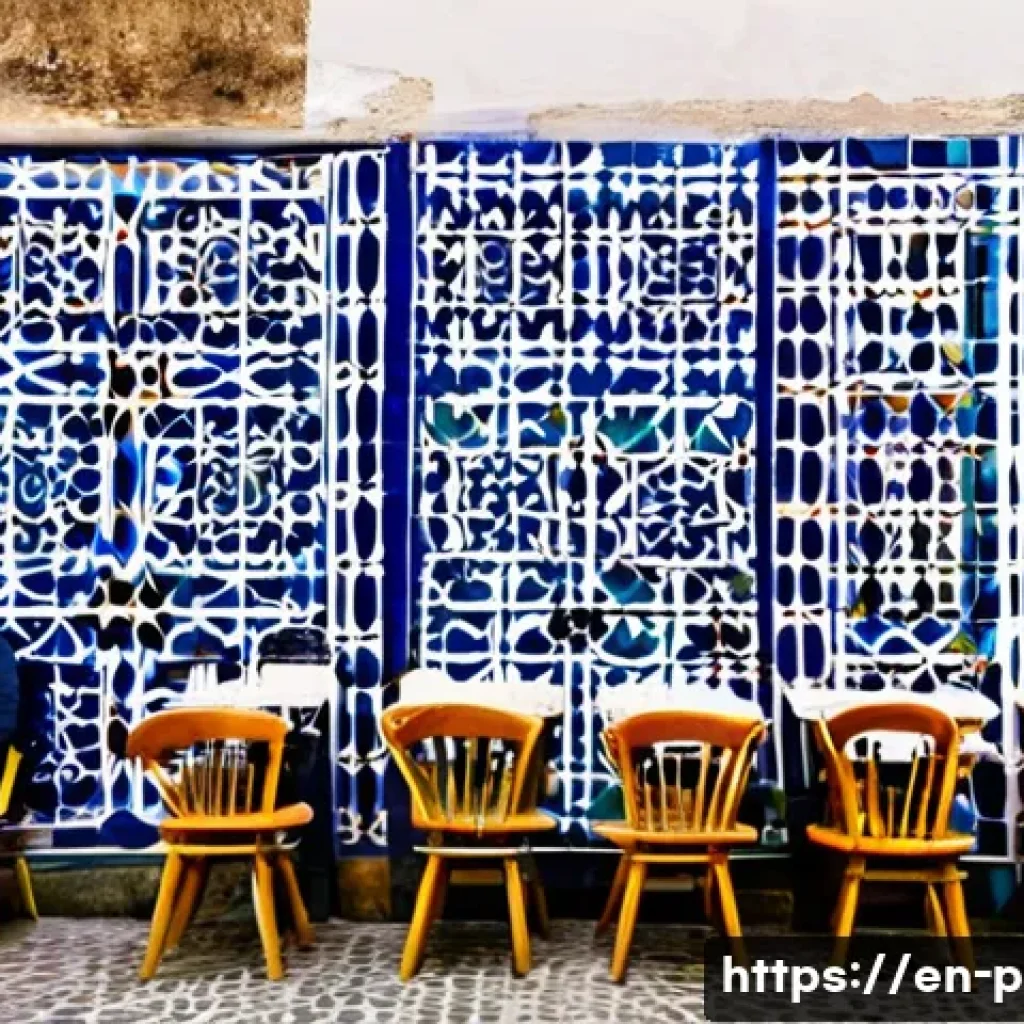
It truly binds people together, locals and newcomers alike, in a shared moment of raw emotion. These cultural touchstones are everywhere, from the colorful *azulejo* tiles that adorn buildings to the smell of freshly baked bread from the local *padaria*.
They are the threads that weave the fabric of daily life here.
Making Friends: The Warmth of Portuguese Hospitality
If you’re worried about feeling like an outsider, let me put your mind at ease. The Portuguese people are, in my personal experience, among the warmest and most hospitable I’ve ever encountered.
They genuinely appreciate efforts to engage with their culture and language, even if your Portuguese is still rudimentary (like mine was, and still is sometimes!).
I’ve found that a simple “Olá” and a smile can open so many doors. I remember one instance where I was completely lost trying to find a specific market, and an elderly woman, seeing my struggle, not only pointed me in the right direction but practically walked me there herself, chatting away happily despite the language barrier.
That kind of kindness isn’t an anomaly; it’s the norm. Expats often talk about how easy it is to integrate, whether it’s through language classes, local sports clubs, or just becoming a regular at your neighborhood café.
The sense of community is strong, and locals are often curious and eager to share their country with you, which makes building friendships and feeling at home a genuinely rewarding experience.
The Digital Nomad’s Paradise: Connectivity and Quality of Life
High-Speed Living: Internet and Infrastructure
For anyone working remotely or considering a digital nomad lifestyle, Portugal truly shines as a top-tier destination. I’ve personally experienced the seamless connectivity that makes it so appealing.
Forget sluggish internet speeds; most urban and even many rural areas boast excellent fiber optic networks, ensuring you can hop on video calls, upload large files, or stream your favorite shows without a hitch.
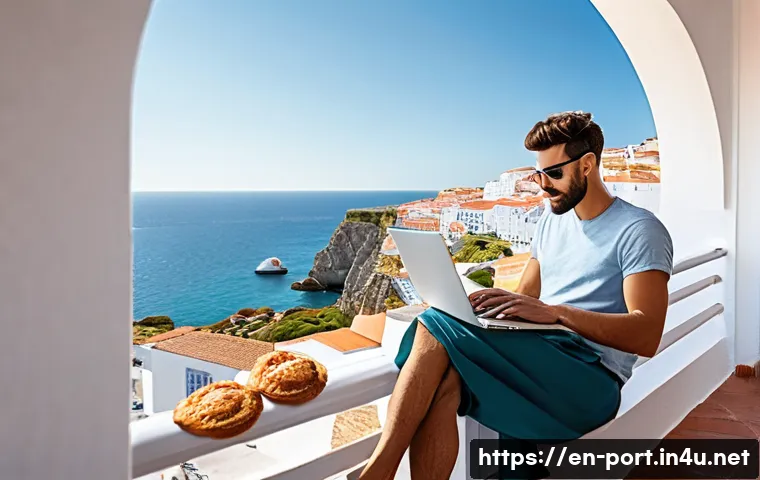
I’ve set up my mobile office in various cafes, co-working spaces, and even a beachside apartment, always finding reliable and fast internet access. This robust infrastructure isn’t just about Wi-Fi; it extends to public transport, modern roads, and well-maintained services, making daily life smooth and efficient.
It means you can truly separate your work and leisure, dedicating your working hours to productivity and then effortlessly transitioning to exploring a new city, hiking a coastal trail, or just enjoying a sunset without any tech-related stress.
Balancing Work and Play: An Affordable European Base
What truly sets Portugal apart for digital nomads and remote workers is the incredible balance it strikes between an exceptional quality of life and a remarkably affordable cost of living, especially when compared to other Western European countries.
I’ve lived in several European cities, and the value you get for your money in Portugal is just fantastic. Rent, groceries, eating out – it all feels so much more accessible, allowing you to stretch your budget further and enjoy a richer, more fulfilling experience.
This affordability means you can actually afford to enjoy the fruits of your labor, whether it’s dining at fantastic local restaurants, taking weekend trips, or simply having more disposable income for hobbies and experiences.
Imagine finishing your workday and being able to stroll to a stunning beach, explore a historic district, or enjoy a delicious, inexpensive meal with friends.
That’s the reality here, and it’s why so many of us have fallen head over heels for this country. It’s not just a place to work; it’s a place where you can truly live.
Making the Move: Practical Tips for Settling into Portuguese Life
Visa Pathways and Residency: What You Need to Know
Navigating the legalities of moving to a new country can feel a bit daunting, but Portugal has made significant strides in simplifying the process, especially for those looking to contribute to its economy and society.
For many non-EU citizens, the D7 Passive Income Visa, the Digital Nomad Visa (D8), or even investment-based visas like the Golden Visa (though its rules are evolving) are popular pathways.
I’ve helped friends go through these processes, and while it requires meticulous paperwork, the outcomes are incredibly rewarding. It’s crucial to do your research thoroughly and perhaps even consult with an immigration lawyer specializing in Portugal.
They can provide invaluable guidance, ensuring you choose the right visa category for your circumstances and that all your documentation is in order. Remember, patience is key, but the Portuguese authorities are generally very helpful, and the systems are designed to welcome new residents who genuinely want to make Portugal their home.
Navigating Bureaucracy with a Smile
Ah, bureaucracy – the universal challenge when moving anywhere new! Portugal has its fair share, but I’ve found that a bit of patience, a friendly attitude, and sometimes a good cup of coffee can go a long way.
Obtaining your NIF (tax identification number) is usually one of the first and most crucial steps, followed by opening a bank account. My personal tip?
Approach every interaction with a smile and a “Bom dia!” or “Boa tarde!” Even if you’re struggling with the language, showing respect and a willingness to try makes a huge difference.
I’ve noticed that many government offices have English-speaking staff, especially in larger cities, but having a basic grasp of Portuguese phrases or even using a translation app can be incredibly helpful.
It’s also worth noting that online services are becoming more prevalent, which streamlines many processes. Don’t be afraid to ask for help from fellow expats or local friends; the community here is incredibly supportive when it comes to navigating these practicalities.
It might take a little longer than you’re used to, but it always gets done.
Investment Opportunities: Why Portugal is Catching the Eye of Savvy Investors
Real Estate Trends: A Booming Market
One of the most talked-about areas for investment in Portugal right now is undoubtedly real estate. I’ve watched the market evolve, and while prices in prime locations have certainly risen, there’s still incredible potential, especially outside the main city centers.
From charming historic apartments in Lisbon and Porto to stunning coastal villas in the Algarve or up-and-coming regions in the Alentejo, the diversity of options is vast.
Many investors are drawn by the potential for rental income, particularly from tourism, but also by the increasing demand from long-term residents and expats.
The Golden Visa program, though changing, has certainly played a role in attracting foreign capital, but the underlying appeal is rooted in the country’s growing economy, stable political environment, and undeniable lifestyle draw.
It’s not just about buying a property; it’s often about investing in a piece of a growing, vibrant country, and potentially securing a beautiful second home or a smart long-term asset.
Business Ventures: Tapping into a Growing Economy
Beyond real estate, Portugal’s growing economy presents a fascinating landscape for business ventures. I’ve seen a surge in interest across various sectors, from renewable energy and sustainable tourism to innovative tech solutions and niche agricultural products.
The government has been proactive in attracting foreign investment, offering incentives and creating a more business-friendly environment. As a member of the EU, Portugal also provides a strategic gateway to the broader European market, which is a huge advantage for companies looking to expand their reach.
I’ve spoken with entrepreneurs who’ve successfully launched businesses here, citing the high quality of life for employees, the relatively lower operational costs compared to other Western European nations, and the strong support networks available.
It truly feels like a place where smart ideas can find fertile ground to grow.
Healthcare and Education: A Look at Life’s Essentials in Portugal
Accessing Quality Healthcare as an EU Resident
When considering a move abroad, healthcare is always a top priority, and Portugal truly delivers. As an EU citizen, or once you have legal residency, you generally gain access to the *Serviço Nacional de Saúde* (SNS), Portugal’s public healthcare system.
My experience, and that of many friends, has been largely positive. While waiting times for some specialist appointments can be longer in the public system, the quality of care is high, and the costs are remarkably low, often just a few euros for consultations.
For those who prefer or need quicker access, a robust private healthcare sector offers excellent hospitals and clinics, often with English-speaking staff, and private health insurance is surprisingly affordable here.
I personally opted for a combination, using the public system for routine care and having private insurance for quicker access to specialists. It’s reassuring to know that you have access to excellent medical facilities and dedicated professionals, ensuring peace of mind for you and your family.
Educational Choices: From International Schools to Local Universities
For families with children, the educational landscape in Portugal is diverse and high-quality. You’ll find a wide array of options, from excellent public schools that immerse children in the Portuguese language and culture – a fantastic way for them to become truly bilingual – to numerous international schools, particularly in and around Lisbon, Porto, and the Algarve.
These international schools often follow British, American, or International Baccalaureate curricula, catering perfectly to expat families who might be on the move again or prefer a globally recognized educational standard.
I’ve visited several and been very impressed with their facilities and teaching staff. For higher education, Portugal boasts some highly respected universities, offering a wide range of programs.
Being part of the Bologna Process, Portuguese university degrees are recognized across Europe, opening up further opportunities for graduates. The country truly provides a comprehensive and adaptable educational environment for children of all ages and academic aspirations.
| Aspect | Portugal’s Appeal for Expats/Investors |
|---|---|
| Cost of Living | Generally lower than Western European averages, offering great value for money. |
| Climate | Mediterranean climate with over 300 days of sunshine annually in many regions. |
| Safety & Security | Consistently ranked among the safest countries globally, low crime rates. |
| Healthcare System | Dual public (SNS) and private systems with high-quality care and affordable options. |
| EU Membership Benefits | Freedom of movement within Schengen, economic stability, access to a large market. |
| Language | Portuguese is the official language, but English is widely spoken in tourist areas and among younger generations. |
글을마치며
As we wrap up this journey through the charming landscapes and vibrant opportunities of Portugal, I truly hope you’ve gained a deeper, more personal insight into what makes this country such a special place to live, work, and thrive. My own experiences, and those I’ve shared with countless others, paint a picture of a welcoming nation that balances tradition with innovation, and offers an unparalleled quality of life. It’s more than just beautiful scenery; it’s a feeling, a rhythm of life that once you experience it, becomes incredibly hard to leave. So, if you’ve been dreaming of a European adventure, take this as your nudge – Portugal might just be the golden gateway you’ve been searching for.
알아두면 쓸모 있는 정보
1. Embrace the Language (Even a Little): While English is widely spoken in tourist areas and by younger generations, making an effort to learn basic Portuguese phrases like “Olá” (Hello), “Obrigado/a” (Thank you), and “Por favor” (Please) will open doors to richer local interactions and show genuine respect for the culture. Locals truly appreciate the effort, and it can significantly enhance your daily life and integration.
2. Understand the NIF is King: Your NIF (Número de Identificação Fiscal) is your tax identification number and is absolutely essential for almost everything in Portugal, from opening a bank account and signing a lease to getting a mobile phone contract. It should be one of the very first things you apply for upon arrival, and you might need a fiscal representative if you’re not yet a resident.
3. Patience is a Virtue with Bureaucracy: Portuguese administrative processes, while improving, can sometimes move at a slower pace than you might be used to. Approaching these interactions with patience, a friendly demeanor, and all your documents meticulously organized will make the experience far less stressful. Remember, a smile and politeness go a long way.
4. Connect with Expat Communities: There are incredibly vibrant and supportive expat communities throughout Portugal, both online and in person. Joining local groups can provide invaluable practical advice, social connections, and a sense of belonging as you navigate your new life. Don’t underestimate the power of shared experiences and insights.
5. Explore Beyond the Tourist Spots: While Lisbon, Porto, and the Algarve are fantastic, Portugal’s true charm often lies in its smaller towns, historic villages, and less-traveled regions. Take the time to explore places like the Alentejo, Central Portugal, or the Silver Coast to discover authentic traditions, stunning landscapes, and perhaps more affordable living options. This is where you really get to feel the heart of the country.
중요 사항 정리
To truly summarize what makes Portugal so compelling, it boils down to an incredible blend of lifestyle, opportunity, and genuine human warmth. The country offers a high quality of life at a manageable cost, boasting a stunning climate, delicious food, and a rich cultural tapestry that’s deeply rooted in community. I’ve seen firsthand how its robust infrastructure, coupled with its EU membership, provides economic stability and numerous advantages for both residents and investors, from booming tech startups to a vibrant real estate market. Navigating the move requires a bit of preparation regarding visas and local bureaucracy, but the welcoming nature of the Portuguese people and the strong expat networks make integration remarkably smooth. Whether you’re seeking a vibrant new career path, a peaceful retirement, or a base for digital nomadism, Portugal presents a compelling proposition where you can truly find your place and live life to the fullest. It’s not just a destination; it’s a home where every day offers a new discovery and a chance to truly connect.
Frequently Asked Questions (FAQ) 📖
Q: How does Portugal’s European Union membership directly benefit someone looking to move, work, or retire there?
A: Oh, this is such a fantastic question, and one I hear all the time! From my own observations and the countless stories I’ve gathered, Portugal’s EU membership is a game-changer for anyone considering a move.
First off, if you’re an EU citizen, it’s like an open door! You enjoy the freedom of movement, meaning you can literally pack your bags and move to Portugal without needing a visa.
This makes the entire process incredibly smooth, letting you focus on finding that perfect apartment or discovering your favorite local cafe rather than battling bureaucracy.
But it’s not just about getting in. EU membership also means access to the Schengen Area, which is amazing for travel. Imagine hopping over to Spain for a weekend or France for a wine tour without extra passport checks.
It’s a true luxury! For work, being part of the EU means you’re stepping into a robust legal framework that protects workers’ rights and offers a more stable economic environment compared to some non-EU destinations.
You’re often looking at recognized qualifications across member states, which can really streamline job hunting. And for retirees, the benefits are equally compelling.
Access to the European healthcare system, even if you need private insurance, is a huge peace of mind. Plus, the overall stability and infrastructure that comes with being a valued EU member state makes settling down feel so much safer and more organized.
I’ve personally seen families thrive, knowing their kids have access to quality education within a European standard, and digital nomads finding a welcoming, well-connected base to work from.
It really makes Portugal an accessible and secure haven.
Q: Beyond the beautiful scenery, what makes Portugal’s unique cultural blend and European integration so appealing to a global audience right now?
A: You’ve hit on a really insightful point here! While Portugal’s stunning coastline and historic cities are undoubtedly a massive draw – who doesn’t love a good beach day or exploring ancient ruins?
– what truly captivated me, and what I see resonating with so many others, is its remarkable cultural blend fused with its strong European identity. Portugal masterfully balances its deep-rooted traditions – think Fado music, intricate azulejo tiles, and those heartwarming local festivals – with a very modern, forward-thinking European outlook.
It’s not just a country living in its past; it’s vibrant and dynamic. Being part of the EU has certainly played a huge role in this. It has opened up Portugal to new ideas, investments, and diverse communities from across the continent and beyond, creating a truly cosmopolitan vibe, especially in cities like Lisbon and Porto.
Yet, it has managed to retain its unique Portuguese soul. I’ve experienced firsthand how this blend creates an incredibly welcoming atmosphere. Locals are generally very open to foreigners, proud of their heritage but also curious about the world.
This makes integration much smoother. Plus, compared to some of its European neighbors, Portugal often offers a more affordable cost of living without sacrificing quality of life, which is a massive draw for people seeking a high standard of living without the hefty price tag.
It feels safe, it’s bursting with delicious food, and there’s a genuine warmth that makes you feel at home almost immediately. It’s like getting the best of both worlds: authentic European charm with all the modern conveniences and opportunities of a well-integrated EU nation.
Q: Is learning Portuguese truly necessary when so many people speak English, especially for those leveraging EU mobility?
A: This is a question that pops up a lot, and honestly, it’s one I wrestled with myself initially! While it’s true that in major tourist areas, cities, and among younger generations, you’ll find a good number of English speakers – especially in tech hubs or popular digital nomad spots – I’ve personally found that truly embracing the Portuguese language unlocks an entirely different level of experience and opportunity.
Yes, you can absolutely get by with English for daily transactions or even some jobs, particularly remote ones. However, if you’re planning to live in Portugal, even for a few months, diving into Portuguese isn’t just polite; it’s transformative.
For starters, it deepens your connection with the culture. Imagine being able to chat with a local vendor at a fresh market, understand the nuances of a Fado song, or share a laugh with your neighbors without a language barrier.
These are the moments that truly enrich your life abroad. Beyond cultural immersion, learning the language dramatically expands your professional horizons, even within the EU context.
While some international companies operate in English, many local businesses or roles requiring deeper community engagement will require Portuguese. I’ve seen countless people find better job prospects or more seamless integration into local teams simply by making the effort.
It also helps you navigate daily life with far greater ease, from understanding official documents to dealing with utilities or even just finding that hidden gem of a restaurant that hasn’t been discovered by the English-speaking crowds yet.
So, while not strictly “necessary” for survival, I’d say it’s absolutely essential if you want to move beyond being just a visitor and truly thrive, make meaningful connections, and squeeze every drop of joy out of your Portuguese adventure.
It shows respect, opens doors, and truly makes you feel like you belong.